

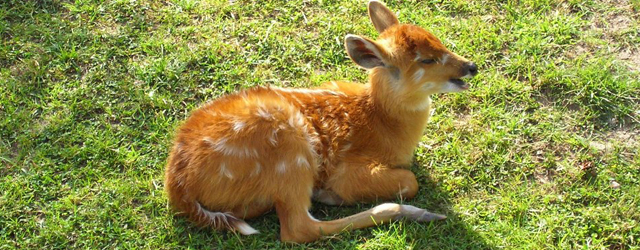
Different Types of Animals You'll See On a Hike In Yosemite
Animals in Yosemite: What Wildlife You May See
Yosemite National Park is home to more than 400 vertebrate species, including approximately 90 species of mammals and more than 250 documented bird species. Visitors commonly encounter mule deer, squirrels, chipmunks, coyotes and a wide variety of birds. Black bears, bobcats, bighorn sheep and mountain lions also live in the park, but sightings are much less predictable.
Whether you are hiking through Yosemite Valley, exploring the high country or relaxing near your cabin, wildlife can become one of the most memorable parts of your visit. This guide covers the animals you may see, where and when to look for them and how to enjoy every encounter safely.
Yosemite Wildlife at a Glance
| Animal | Likelihood of Seeing It | Where to Look | Best Time |
|---|---|---|---|
| Mule deer | Common | Meadows, roadsides and forest edges | Morning and evening |
| Ground squirrels and chipmunks | Very common | Trails, rocky areas and developed areas | Daytime |
| Steller’s jays and other birds | Common | Forests, meadows and picnic areas | Morning |
| Coyotes | Occasional | Open meadows and forest edges | Dawn and dusk |
| Marmots and pikas | Occasional | Rocky, high-elevation areas | Summer daytime |
| Black bears | Unpredictable | Forests and meadow edges | Spring through fall |
| Bobcats | Uncommon | Meadows and woodland edges | Morning and evening |
| Sierra Nevada bighorn sheep | Rare | Remote, high-elevation terrain | Summer |
| Mountain lions | Extremely rare | Remote areas throughout the park | Usually dawn, dusk or night |
Wildlife sightings are never guaranteed. Observe animals from a safe distance and never approach them for a photograph.
Common Animals in Yosemite
Mule Deer
Mule deer are among the animals visitors are most likely to see in Yosemite.
Mule deer are among the large animals visitors are most likely to see in Yosemite. They are named for their oversized, mule-like ears and can often be found grazing in meadows or moving along forest edges.
Yosemite’s mule deer may appear calm or comfortable around people, but they are still wild animals. Deer can become defensive when startled, particularly during the fall mating season or when a female is protecting a fawn.
Never feed, touch or approach a deer. Give it enough space to move freely without changing its direction or behavior.
California Ground Squirrels
California ground squirrels are commonly seen along trails, around rocky areas and near developed parts of the park. They live in underground burrow systems and spend much of the day gathering seeds, grasses and other natural foods.
Because they are accustomed to seeing visitors, some squirrels may approach people in search of food. Do not feed them. Human food can make wildlife sick, and animals that become dependent on visitors may grow aggressive.
Ground squirrels can also bite and carry diseases. Enjoy them from a distance, even when they appear friendly.
Chipmunks
Several species of chipmunks live at different elevations throughout Yosemite. Visitors often spot them moving quickly between rocks, logs and low vegetation.
Chipmunks are especially active during daylight hours when they are gathering seeds and other food. They are small and entertaining to watch, but the same rules apply: never feed or attempt to handle them.
Coyotes
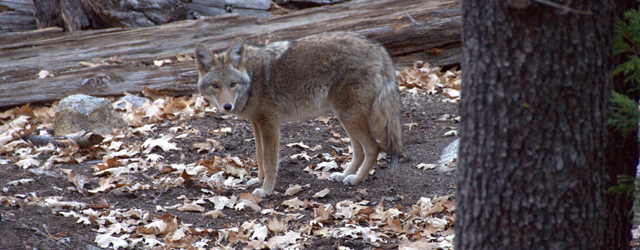 Coyotes are often heard before they are seen, especially around dawn and dusk.
Coyotes live throughout Yosemite and may be seen crossing roads, moving through open meadows or hunting small animals near forest edges. Even when they are not visible, visitors sometimes hear their calls echoing through the park.
Coyotes generally avoid close contact with people. If you see one, remain at least 150 feet away and do not attempt to attract it with food or sounds. Report any coyote that approaches people or behaves unusually to a park ranger.
Steller’s Jays and Other Birds
Yosemite offers habitat for more than 250 documented bird species. One of the most recognizable is the Steller’s jay, a dark blue bird with a black, pointed crest and a loud call.
Visitors may also see ravens, woodpeckers, chickadees, hawks, owls and peregrine falcons. The park’s forests, cliffs, rivers and meadows each support different bird populations.
Early morning is generally an excellent time for birdwatching. Bring binoculars and listen before looking—many Yosemite birds are easier to hear than they are to see.
Larger and Less Common Yosemite Animals
American Black Bears
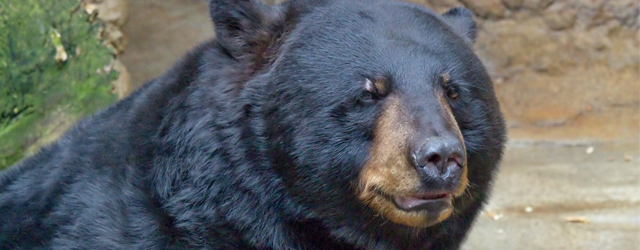 Despite the name, most of Yosemite’s black bears have brown, cinnamon or blonde fur.
Yosemite is home to an estimated 300 to 500 American black bears. Despite their name, most of Yosemite’s black bears have brown, cinnamon or blonde-colored fur.
Black bears may be active from spring through fall, particularly when searching for natural food. However, seeing one is never guaranteed, and visitors should not seek out bears or approach areas where one has been reported.
If you encounter a bear, remain at least 150 feet away. Never get between a mother and her cubs, and do not allow the bear to access food, coolers, scented products or trash. Follow all posted food-storage requirements at your lodging, campsite and trailhead.
Yosemite does not have grizzly bears. Every wild bear currently found in the park is an American black bear, regardless of its fur color.
Bobcats
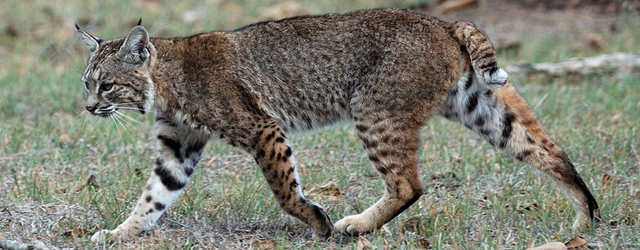 Bobcats are elusive but occasionally spotted hunting during daylight hours.
Bobcats are elusive wild cats that live in forests, meadows and rocky areas throughout Yosemite. They primarily hunt rabbits, rodents and other small animals, helping maintain balance within the park’s ecosystem.
Although bobcats generally avoid people, visitors should never approach or follow one. If you are fortunate enough to see a bobcat, remain quiet, keep your distance and allow it to leave on its own.
Sierra Nevada Bighorn Sheep
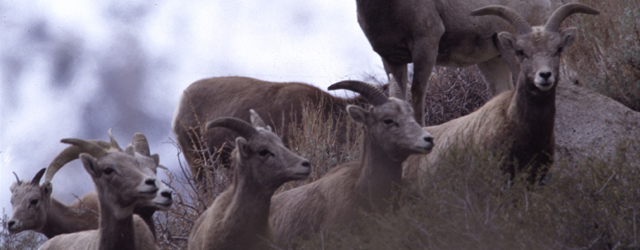 Sierra Nevada bighorn sheep are federally endangered and live in remote, high-elevation terrain.
Sierra Nevada bighorn sheep are among Yosemite’s rarest animals. They live in steep, rocky terrain at high elevations, where their specialized hooves help them navigate cliffs and mountain slopes.
The Sierra Nevada bighorn sheep is federally endangered and protected under the Endangered Species Act. Sightings inside Yosemite are uncommon and typically require considerable luck, distance and a good pair of binoculars.
Visitors should never leave established trails or enter closed areas in an attempt to locate bighorn sheep. Protecting their habitat is more important than getting a closer view.
Mountain Lions
Mountain lions, also known as cougars or pumas, live in Yosemite, but they are rarely seen. These solitary animals generally avoid people and are most active around dawn, dusk and nighttime.
Seeing tracks is more likely than seeing an actual mountain lion. If you encounter one, do not run. Stay calm, face the animal, make yourself appear larger and follow current National Park Service guidance.
Report a mountain lion sighting to a ranger, especially if the animal approaches people or remains near a developed area.
Marmots and Pikas
Yellow-bellied marmots are large members of the squirrel family that live around rocky slopes and high-elevation meadows. They are most active during the warmer months and hibernate through much of the winter.
American pikas are smaller alpine mammals that live among rocks in Yosemite’s high country. They do not hibernate, so they spend the warmer months gathering grasses and plants to store for winter.
Tuolumne Meadows and nearby high-elevation habitats offer suitable environments for both animals, although sightings are never guaranteed.
Sierra Nevada Red Fox
The Sierra Nevada red fox is one of the rarest mammals in the region. It is specially adapted to snowy, high-elevation environments and is protected by the State of California.
Visitors are extremely unlikely to see one. If you believe you have photographed a Sierra Nevada red fox, do not approach it or publicly share its exact location. Instead, provide the information to the National Park Service.
Reptiles and Amphibians in Yosemite
Yosemite’s wildlife extends far beyond mammals and birds. The park also supports frogs, toads, salamanders, lizards and snakes.
Species include the Yosemite toad, Sierra Nevada yellow-legged frog, Pacific treefrog and several types of garter snakes. Reptiles are often more active during warm weather, while frogs and other amphibians are associated with wetlands, ponds, streams and seasonally flooded meadows.
Never pick up a reptile or amphibian. These animals can be injured by handling, and oils or chemicals on human skin may harm sensitive amphibians.
Best Places to See Wildlife in Yosemite
Yosemite Valley
Yosemite Valley contains meadows, forests, rivers and dramatic cliff habitats in a relatively small area. Mule deer, coyotes, squirrels and numerous bird species may be seen around open areas and forest edges.
Use established trails and boardwalks when viewing meadow wildlife. Walking into a meadow can damage sensitive habitat and disturb animals.
Tuolumne Meadows and the High Country
The high country supports marmots, pikas, mule deer and mountain bird species. Remote alpine areas also provide habitat for Sierra Nevada bighorn sheep.
Many high-elevation roads and trails are only accessible seasonally. Check current road, trail and weather conditions before traveling into the high country.
Mariposa Grove
The forests surrounding Mariposa Grove provide habitat for woodpeckers, owls, squirrels, deer and other woodland animals. Visit early in the day for a quieter experience and a better opportunity to hear birds.
Remember that Mariposa Grove’s giant sequoias and surrounding habitat are protected. Stay on designated paths and follow all posted restrictions.
Hetch Hetchy
Hetch Hetchy’s reservoir, forests and rocky slopes support birds, deer and smaller mammals. The area is generally quieter than Yosemite Valley, but wildlife should still be observed only from established roads, trails and viewpoints.
Best Times to See Wildlife in Yosemite
Wildlife activity changes throughout the day and across the seasons.
Morning and Evening
Early morning and the hours around sunset are often productive times for observing wildlife. Temperatures are cooler, fewer visitors are moving through the park and animals such as deer and coyotes may be more active.
Spring
Spring brings increasing wildlife activity as snow begins to melt. Bears emerge from winter dormancy, birds become more active and deer move into areas with new vegetation.
Summer
Summer provides access to Yosemite’s high country, where visitors may see marmots, pikas and alpine birds. Wildlife may be less active during the hottest portion of the afternoon.
Fall
Fall can be an excellent season for wildlife observation, but visitors should give mule deer additional room during their mating season. Bears are also actively searching for food before winter.
Winter
Winter wildlife sightings are less predictable, but snow can reveal tracks left by deer, coyotes, bobcats and other animals. Some species move to lower elevations while others remain active in snowy habitats. Planning a cold-weather visit? See our guide to winter in Yosemite.
Yosemite Wildlife Safety
Seeing a wild animal can be exciting, but the animal’s safety—and your own—must come first.
The National Park Service recommends that visitors:
- Stay at least 150 feet from bears and coyotes.
- Stay at least 25 feet from all other wildlife.
- Never feed, touch or approach a wild animal.
- Never position yourself between an adult animal and its young.
- Secure food, trash and scented products properly.
- Use binoculars or a zoom lens instead of moving closer.
- Stay on designated trails and respect wildlife closures.
- Never stop in the middle of a road to photograph an animal.
- Report injured animals or concerning behavior to a park ranger.
If an animal changes its direction, stops feeding or reacts to your presence, you are probably too close. Slowly increase the distance between yourself and the animal.
For the latest rules and encounter guidance, review the National Park Service wildlife-safety information before your trip.
Frequently Asked Questions About Yosemite Animals
What animals are most commonly seen in Yosemite?
Are there bears in Yosemite?
Are there grizzly bears in Yosemite?
Are there mountain lions in Yosemite?
What is the best place to see wildlife in Yosemite?
What is the best time to see animals in Yosemite?
Can visitors feed wildlife in Yosemite?
Stay Close to Yosemite’s Trails and Natural Areas
Wildlife sightings cannot be scheduled, but staying close to Yosemite gives you more opportunities to experience the park during the quieter morning and evening hours.
Scenic Wonders offers cabins, condominiums and vacation homes in Yosemite West, Wawona and nearby communities. Explore our Yosemite vacation rentals and find a comfortable home base for your next hiking and wildlife-viewing adventure.
Before heading out, check current park conditions, bring binoculars and remember the most important rule of wildlife watching: give every animal the space to remain wild.
Share This Post!